
EV Ownership on the Rise in Canada
Since 2020, zero-emission vehicle (ZEV) sales have surged in Canada—from 3.8% to 13.7% of light-duty vehicle sales by mid-2024. One in seven new cars sold is now electric, driving higher demand for home EV charging stations.
Types of Home Chargers
Most EV owners choose a Level 2 charger, which charges faster than the standard Level 1 that plugs into a regular outlet. Smart chargers offer even more convenience with features like remote monitoring. Consider your home layout, climate, and driving habits when deciding.
Installation Costs and Incentives
Installing a charger at home varies in cost, depending on your current electrical setup and charger type. Some provinces and utility providers offer rebates—often up to 50%—to help with costs.
Condos and Apartments
Living in a condo? EV charger installation might be more complex. It often requires board approval, legal agreements, and infrastructure upgrades. Explore your options early and involve your REALTOR®.
Safety Matters
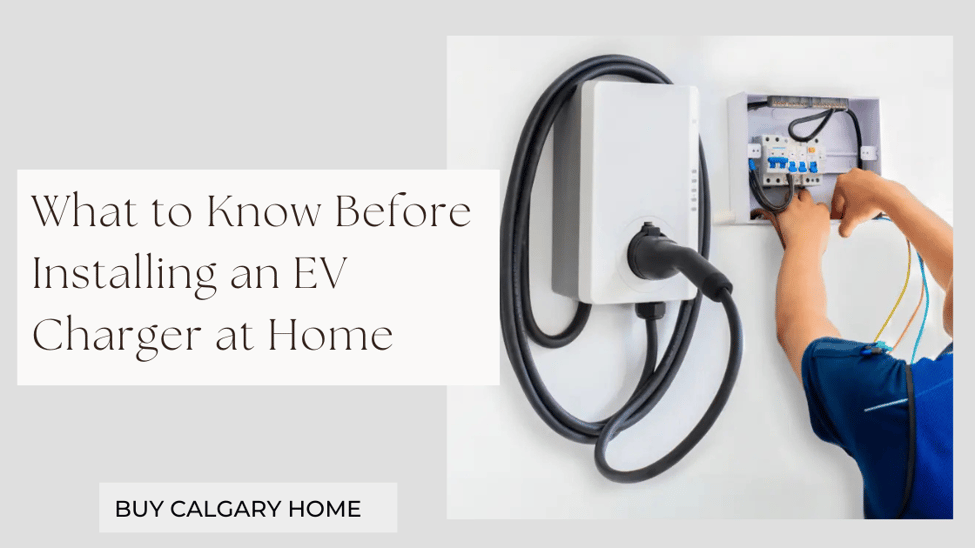
Ensure safe installation by hiring licensed professionals and using certified equipment. Check local regulations and have your electrical system assessed beforehand.
Long-Term Savings
EVs can significantly reduce fuel and maintenance costs—potentially saving you thousands each year. Some insurers also offer EV-related discounts.
Looking Ahead
If you own or plan to own an EV, factor home charging into your real estate decisions. Let your REALTOR® know so they can help find properties that match your lifestyle.

